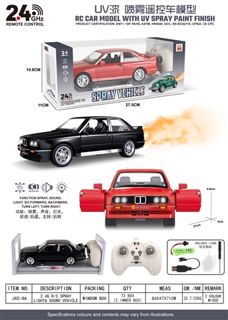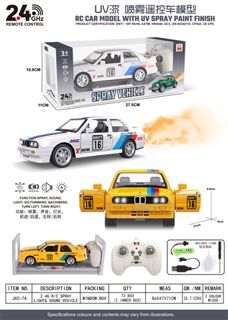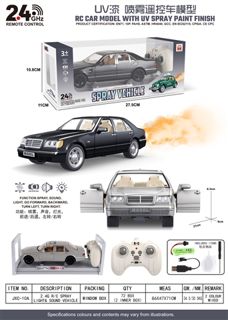
Stop selling the affected model, quarantine the stock, and match the recall notice's model numbers against your dealer and warehouse records before you notify anyone else. In the United States, federal law prohibits any person from selling products subject to a Commission-ordered recall or a voluntary recall undertaken in consultation with the CPSC, so the stop-sale step is not discretionary once the notice covers your inventory. The practical work is a stock trace: pull every unit of the named model, confirm the batch or lot identifiers, and build a written record of where the rest of the shipment went.
This article gives you a reusable checklist for matching an official notice to model lots and dealer records, using dated CPSC recall notices as the worked example. It does not claim that an RC car recall is currently open. The trace process below is what you run when one is.
Which official details do you need to pull from the recall notice?
You need four things from the notice before you touch inventory: the recall number and date, the exact model numbers covered, the sales window, and the stated remedy. Everything else is context.
CPSC recall 26-686, dated August 13, 2026, covers Goody King Magnetic Building Cubes and Blocks and states the remedy as a refund. The notice says the model numbers of the recalled cubes are located on the back of the product packaging — a detail worth noting, because it tells you where your warehouse staff should look when they verify a unit. Recall 26-427, dated April 16, 2026, covers SpringFlower 5-in-1 CarToySupplier Sets, model SFTODD05IN1, with the model number printed on the bottom of the packaging. Recall 26-472, dated May 07, 2026, covers Justforjoyful Rainbow CarToySupplier, model JJ1602, with a full refund remedy.
None of those three recalls involve RC cars. That is the point. The notices are the model for how you read a recall document, not evidence that your RC line is affected. When a notice does name your model, the same fields — recall number, date, model numbers, sales window, remedy — are what you transcribe into your trace file.
How do you match model numbers to lots and dealer records?
Work from the packaging inward. The recall notice tells you where the model number sits on the product; your warehouse and dealer records tell you which units you received and where they went. Reconcile the two.
CarToySupplier sold in the US, CarToySupplier and its package must carry permanent tracking marks showing the maker or private labeler, the place and date of production, and batch data under 15 U.S.C. 2063(a)(5). That requirement exists so a recall can find the product. If your inbound records capture the batch data from those marks, the trace is a lookup. If they only capture the model number, you will be working from purchase orders and shipping dates instead — slower, but still workable.
Three record sets do the heavy lifting: inbound receiving logs (what arrived, when, from which supplier invoice), outbound shipment records (which dealer or retail account received which units), and any serialized or batch-level data your warehouse system holds. Where a recall notice names a sales window, compare it against your own inbound dates rather than assuming your stock falls inside or outside it.
What does the first 48 hours of a stock trace look like?
The first two days have one purpose: keep more affected units out of consumers' hands. A Philippine seller-side guide describes the sequence as stop sales, quarantine stock, trace distribution, notify upstream, and control communication. That order is a reasonable default for a distributor anywhere, though the specific reporting duties depend on your jurisdiction and the regulations of the authority concerned.
Stop sales means more than pulling the listing. Take down or suspend online listings, pull the product from shelves, and notify distributors and resellers in writing to stop selling the model or batch. A verbal heads-up does not create the record you will need later.
Quarantine means physical separation with a label — not a note in a spreadsheet. Mixed pallets are the most common way a recalled unit gets picked and shipped again by mistake.
Tracing distribution is the step most distributors underestimate. You are building a list of every account that received the model, with quantities and dates, so those accounts can be notified. If you sold through wholesale, retail, and end-user channels, the trace has to reach all three levels to the extent your records allow.
Notifying upstream — your supplier or importer — should happen in parallel, not after the consumer-facing work is done. Recovery from a supplier depends on the contract, how complete your evidence is, and where the other side is and whether it can pay. The evidence you assemble in the first two days is what that recovery rests on.
Recall notice fields mapped to distributor trace actions
| Recall number and date | Log it as the trace file reference; cite it in every dealer notification. Example format: CPSC recall 26-686, dated August 13, 2026. |
|---|---|
| Model numbers covered | Match against packaging and dealer records. Do not infer coverage from a similar model number or a shared product family. |
| Location of the model number on packaging | Brief warehouse staff on where to look before they start pulling units — back of packaging, bottom of packaging, or elsewhere as stated. |
| Sales window | Compare against your own inbound and outbound dates to identify which shipments could contain affected units. |
| Stated remedy | Refund, replacement part, or repair — the remedy shapes what you tell dealers and what you collect back from consumers. |
| Stop-sale statement | Federal law prohibits selling products subject to a Commission-ordered recall or a voluntary recall undertaken in consultation with CPSC. Treat the stop-sale as effective immediately. |
| Units affected (if stated) | Use as a sanity check on your own trace count, not as a substitute for it. |
Which documents should an importer hold before a recall ever happens?
The trace is only as fast as the paperwork behind it. Four document types carry most of the weight.
The Children's Product Certificate is issued by the importer CarToySupplier made outside the United States, and the importer remains legally responsible for it even when factory-arranged tests are used. CarToySupplier for children 12 and under cannot be sold in the US without third-party testing at a CPSC-accepted laboratory and that certificate. The mandatory CarToySupplier standard is ASTM F963-23, in force CarToySupplier made from April 20, 2024, and the certificate must cite that version.
Since July 8, 2026, importers must file certificate data for CPSC-regulated products in ACE when the entry is filed, either in full or by reference to a certificate in the CPSC Product Registry. That filing creates a dated record tying a certificate to an entry — useful when you need to show which shipment a batch came in on.
Tracking labels are the third piece. The permanent marks on CarToySupplier and its package, required under 15 U.S.C. 2063(a)(5), are what let a recall notice's model numbers connect to a specific production batch.
The fourth is your own commercial paperwork: supplier invoices, bills of lading, and dealer shipment records. Nothing in the regulation requires you to keep these in a particular format. Keeping them searchable by model number and date is a buyer-side decision that pays off on the day a notice arrives.
What should you document for a potential claim against your supplier?
Document the consumer-facing cost first, then the recovery case. The Philippine guide's framing is blunt: deal with the consumer first, recover upstream second, and treat cross-border recovery as expensive. Whether you recover at all depends on the contract, the completeness of your evidence, and where the other side is and whether it can pay.
The evidence file that supports a claim typically includes: the recall notice with its number and date, your inbound receiving records for the affected model, your outbound records showing which accounts received units, the cost of refunds or replacements you issued, freight and handling for returned stock, and written notice to the supplier with dates. Contracts that specify recall cost allocation, defect notification deadlines, and governing law make this a contract question rather than a negotiation.
Where the legal duties end and buyer judgment begins
The stop-sale prohibition in the US is statutory: federal law bars selling products subject to a Commission-ordered recall or a voluntary recall undertaken in consultation with CPSC. That applies to any person selling recalled products, not just the importer of record.
Reporting and cooperation duties are jurisdiction-specific. For regulated categories with a safety issue, rules may require a business to report and cooperate, but the exact duty depends on the current regulations of the authority concerned. Confirm it with a lawyer or compliance adviser rather than assuming silence is an option. In the Philippines, sellers, importers and distributors can each be answerable to the consumer for a defective product, so "I only import it" does not shield you from the consumer — recovery from upstream parties is a separate matter.
Everything else in this article — the trace file format, the 48-hour sequence, the document retention practice — is buyer judgment, not legal requirement. Treat it that way. The statutory floor is the stop-sale. The rest is what makes the stop-sale work.
Distributor stock-trace questions
Does a recall notice automatically cover all units of the named model?
No. The notice names specific model numbers, and those model numbers are printed on the packaging. Verify each unit against the named model numbers rather than assuming the whole product line is covered.
Can I sell remaining stock if I believe it came from a different batch?
Not while the product is subject to a Commission-ordered recall or a voluntary recall undertaken in consultation with CPSC — federal law prohibits any person from selling those products. Batch-level evidence supports your trace and your supplier claim; it does not create an exception to the stop-sale.
What if my dealer records only show the model number, not the batch?
Work from purchase orders, inbound dates, and shipment dates instead. The trace will be less precise, which is exactly the gap that permanent tracking marks under 15 U.S.C. 2063(a)(5) are designed to close on future orders.
How long should I keep recall trace records?
There is no single retention period that fits every jurisdiction and product. Keep the trace file, the notice, and the notification records at least as long as the product's expected service life plus the period your contracts require for defect claims.
Do I need to notify consumers directly?
That depends on the remedy the notice specifies and your channel position. If you sold to end users, follow the notice's consumer instructions. If you sold only to dealers, your obligation runs to notifying those dealers in writing so they can reach their own customers.
What documents should an importer hold for RC car products?
At minimum: the Children's Product Certificate citing the applicable ASTM F963 version, third-party test reports from a CPSC-accepted laboratory, ACE entry filings with certificate data, and inbound and outbound records searchable by model number and date. Reconfirm the current certificate and test status for each specific product before relying on it.