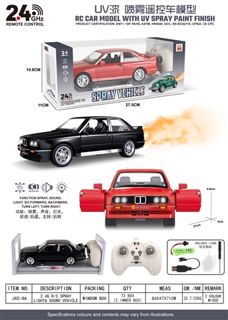
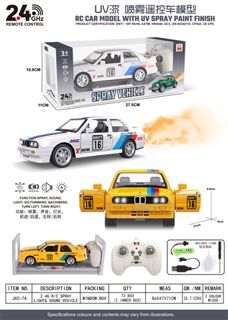
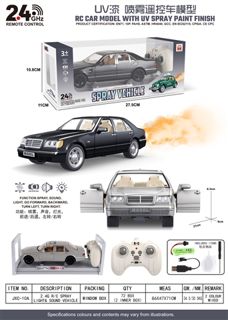
Freeze an RC order specification only when every required field is confirmed in writing, the production-reference sample is signed, and every deviation has an explicit decision. Put the agreed configuration in a dated, version-controlled order record referenced by the purchase order, then obtain buyer and supplier signatures before releasing production. For remote control car sourcing for importers, the practical outcome is one approved baseline covering the vehicle, controls, batteries, packaging, documents, commercial terms, and any accepted exceptions.
A required field that remains undecided means hold, not freeze. An approved deviation is different: it defines exactly what replaces the original requirement, where that exception applies, and who accepted it.
Who has authority to freeze an RC order?
Assign one buyer-side release owner—normally the sourcing manager or buying lead—and require an authorized supplier representative to countersign the same record. Technical, quality, packaging, and destination-document reviewers approve their respective fields; the release owner checks that those approvals are complete rather than substituting for them.
Keep three decisions separate. Sample approval accepts the identified sample within the stated review scope. PO issuance records the purchase commitment. The specification freeze establishes the approved configuration, while production release authorizes work against that configuration. A PO can be issued with a production hold; its existence alone is not a freeze.
This workflow adapts the written-baseline approach described in a bag-order guide published October 6, 2026. That source concerns bags, not CarToySupplier; the RC fields below are recommended purchasing controls, not an RC standard. Bag specification freeze
What sequence should buyers follow before releasing production?
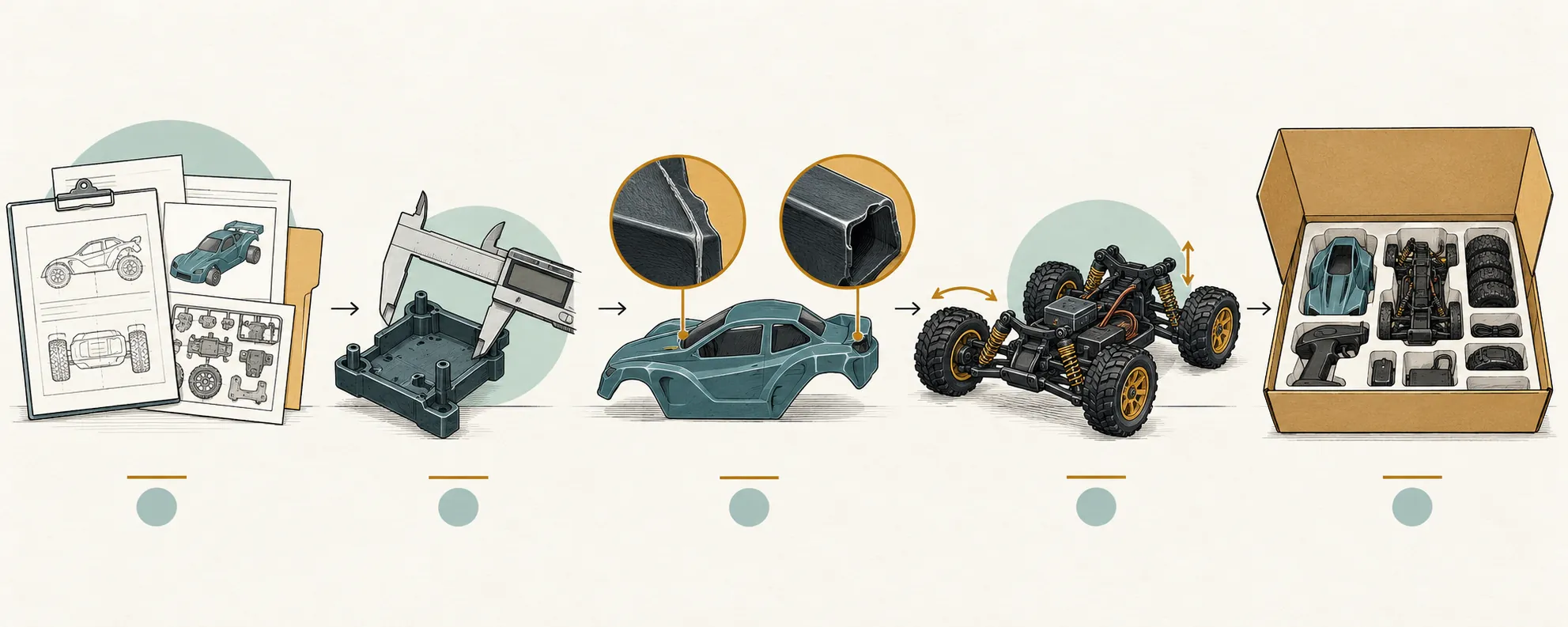
Close the written requirements, approve the production-reference sample, sign the controlled record, and only then issue a traceable production release.
1. Assemble the inputs. Collect the current quotation, draft PO, configuration list, drawings, component specifications, artwork, packaging specification, required document list, and sample review records. Identify the revision of each attachment. Put assumptions into the open-item log instead of treating silence as agreement.
2. Reconcile the configuration. Resolve differences between the quote, sample, packaging, and PO. A sample with a watch controller does not close a written requirement for a handheld transmitter; either correct the sample or approve a precisely described replacement requirement.
3. Approve the final pre-production reference. Require the sample to use the intended production materials and processes. Identify, sign, and date matching retained reference units for buyer and supplier, and link them to the same specification revision. This follows the sampling recommendation in the October 6, 2026 guide. Bag specification freeze
4. Sign the baseline. Issue the controlled order record with its attachment register and deviation log. Reference the exact record ID and revision in the PO or agreed amendment, and resolve conflicting wording rather than leaving two competing requirements.
5. Release the identified scope. The buyer's release owner records the decision, date, and affected order lines; the supplier acknowledges the same revision. If a required item remains open, record a hold, its owner, the closure deadline, and a provisional planning date. Do not unilaterally replace an already agreed contractual delivery date.
What belongs in the controlled RC order record?
| Record identity and scope | Enter record ID, revision, issue date, buyer and supplier identities, PO and line references, product identifiers, quantities, destination markets, and attachment register. Record which previous revision is superseded. |
|---|---|
| Vehicle identity and supplied configuration | Specify the exact model and variant, included accessories, and configuration or parts-list revision. Match these to the labeled reference sample and supplier confirmation; do not rely on a marketing title alone. |
| Control system | Specify control method, stated operating frequency, transmitter and receiver identities or revisions, pairing behavior, and included controller type. Close against component specifications and an identified functional review. |
| Scale and finished dimensions | Record any agreed scale claim separately from actual assembled vehicle length, width, height, and weight. Define measurement points, configuration, and agreed tolerances in a drawing or measurement record. |
| Materials and finish | Identify materials by relevant component, finish, decoration, and any substitution restrictions. Reference the approved component specification and sample; a visible casing does not establish internal construction. |
| Color | Identify the physical color reference and retained sample, including which surfaces it governs. Record the reviewer and date; use screen images for communication, not as the sole physical color approval. |
| Vehicle and controller batteries | Specify battery identity, chemistry, rated voltage and capacity where applicable, quantity, connector, compartment arrangement, and whether each battery is supplied. Close against the agreed component specification and sample configuration. |
| Charging equipment | State whether charging equipment is included. If included, identify the charger or charging cable, electrical ratings, connector, and destination-specific version, supported by the agreed specification and relevant document review. |
| Functions and performance claims | Define required movements and any speed, runtime, range, or stunt claim retained in the order or artwork. Record agreed assessment conditions, acceptance criteria, and the actual review evidence; delete or revise unaccepted claims. |
| Age grading, warnings, and destination documents | Identify the intended market and age grading, approved warning and instruction files, required languages, and agreed document deliverables. Record the responsible reviewer's acceptance and the exact product configuration covered. |
| Retail packaging and artwork | Specify box or pack construction, accessory placement, protection, artwork revision, barcode content, labels, and instructions. Close against an approved packing sample and final artwork files, not an informal image. |
| Master cartons | Confirm units per carton, carton dimensions, gross and net weights, protective arrangement, and shipping marks. Keep carton quantity separate from any expressly agreed order-multiple restriction. |
| Acceptance basis | Name the agreed inspection or acceptance plan, its revision, defect definitions, functional checks, and applicable tolerances. Record approval of the plan; commercial acceptance checks do not replace safety testing. |
| Commercial and delivery terms | Reconcile currency, unit and total price basis, quantity, MOQ, payment terms, and delivery milestone. Where an Incoterm is used, state the agreed term, named place, and edition. Obtain written agreement on any difference between quotation and PO. |
| Freeze decision and signatures | Record Freeze or Hold, scope, conditions, referenced deviation-log revision, buyer release-owner signature and date, and authorized supplier signature and date. For a hold, name each closure owner and follow-up date. |
How do similar RC listings translate into different freeze requirements?
| 2.4 GHz, 1/26 double-sided stunt car | The listing describes a 1/26 car with double-sided operation and 360-degree flips. Freeze action: identify the actual controller and supplied accessories, record assembled dimensions separately from the scale claim, and define acceptance evidence for each stunt retained in the specification. |
|---|---|
| 2.4 GHz watch-control, double-sided stunt car | The listing describes watch control, rolling, and double-sided running. Freeze action: identify the exact watch controller, confirm whether any additional controller is included, and document pairing, controller power supply, and approved operating functions. |
What would the freeze decision be for these two RC configurations?
Hold either configuration until its actual controller, battery arrangement, packaging, and required approvals are tied to a signed record; the catalog description alone is not a production baseline.
For the watch-control configuration, write a direct requirement for the supplied controller set. If the approved requirement names a watch controller and the supplier later proposes another controller, raise a deviation against that field. Review the resulting accessory list, instructions, packaging, cost, delivery impact, and destination-document implications before accepting the replacement.
The distinction matters even if both samples perform the same stunt. Functional similarity does not make two supplied configurations identical. Conversely, a different internal product code does not automatically require new testing: review whether the changed construction affects the relevant report coverage and applicable requirements.
What must the signed deviation log contain?
| Deviation identity | Assign a deviation ID and revision. Record the request date, requester, affected PO lines, baseline record revision, and affected field or attachment. |
|---|---|
| Agreed target | Copy the current requirement exactly, including its drawing, component, sample, or artwork reference. |
| Observation or proposed replacement | Separate what was actually observed from what is proposed. Describe the replacement requirement precisely and attach supporting photographs, specifications, or revised files. |
| Reason and affected scope | Explain the reason and identify affected quantities, order lines, production stage, and related documents. Distinguish a one-order exception from a permanent baseline change. |
| Cost impact | Record the agreed price adjustment and responsibility for sample, tooling, artwork, rework, or other relevant costs. Write no change only after both parties agree; an unpriced request remains open. |
| Delivery impact | Record the existing milestone and date, the proposed milestone and date, and the agreed impact. Identify any revised production release, shipment, or delivery date explicitly. |
| Decision and conditions | Record Pending, Rejected, or Approved, with any conditions and scope restrictions. A pending request is not permission to substitute; an approval cannot waive applicable legal requirements. |
| Approval signatures and dates | Obtain the buyer release owner's and authorized supplier representative's signatures and dates, plus technical or destination-document approval where the change requires it. |
| Implementation and closure | Name the implementation owner and due date. Link the updated record, artwork, component specification, sample review, or other closure evidence, then record the closure reviewer and date. |
When does a change alter the frozen baseline or delivery date?
Change the baseline or delivery date only through an approved, recorded amendment—not merely because someone submitted a request.
Include that rule in the agreed purchasing procedure. Keep the existing requirement and date visible while the proposal is pending. If the supplier says the proposal affects feasibility, record the issue immediately and agree whether affected work must stop while the decision is made.
For a permanent change, issue a new controlled-record revision and update the PO reference as agreed. For a limited exception, retain the baseline and identify the signed deviation, affected scope, and end point. In both cases, distribute the approved files to the people implementing the order and withdraw superseded working copies.
Which conditions should stop an RC specification freeze?
Stop the freeze when a required decision remains open, the reference sample does not represent the intended configuration, or the written records conflict.
Hold for physical-reference issues: color accepted only from a screen; sample identity or signatures absent; intended production materials or processes not confirmed; or dimensions copied from another model. Close these with an identified physical reference and documented review. For an RC car, specify assembled vehicle dimensions—flat artwork or packaging dimensions answer a different question.
Hold for configuration or document conflicts: controller or battery substitutions awaiting approval; accessory lists that disagree with the sample; unapproved warning or instruction files; or a destination review that has not accepted the proposed configuration. Name the responsible reviewer and the evidence needed to close each item.
Hold for acceptance or commercial ambiguity: no agreed acceptance plan, conflicting artwork revisions, or mismatched quantity, price basis, delivery term, named place, edition, or milestone. Resolve the conflict in the controlled record and corresponding order documents before release.
Close the handoff with two signed deliverables: the versioned order record and its deviation log, including an explicit no-open-items confirmation when applicable. A freeze supports traceability; it does not by itself expose an undisclosed substitution, establish production repeatability, or guarantee defect-free goods. Sample approval covers what was actually reviewed on the identified sample, not every property of future production.